
Blog 2
What the UK has learned about network
visibility, and why it matters globally

Brian Moloney
CEO & Founder
If you want to know where your network visibility journey leads, look at what UK utilities have already been through.
The UK water sector has spent the last decade under increasing regulatory and public pressure to reduce pollution and improve operational performance. That pressure has forced a shift, from monitoring networks to actually understanding them.
What's emerged is a clear lesson: sensors alone don't change outcomes. Intelligence does.
We've seen this play out across multiple utilities.
At Southern Water, pump stations were historically monitored using static alarms. During periods of heavy rainfall, those alarms triggered so frequently that many were routinely paused. The system created noise, not clarity, and critical faults were often missed until pumps had already failed. By introducing a more intelligent alerting approach, one that prioritises meaningful signals over volume, the dynamic changed completely. Alerts became trusted, teams acted earlier, and faults were resolved during normal working hours rather than through reactive callouts. The alert hit rate reached 88%, and with it, a fundamental shift in how the network is managed.
At Anglian Water, the challenge was different but equally familiar. Blockages were being identified too late, often after a pollution event had already occurred. Through a combination of machine learning and large-scale sensor data, their Dynamic Sewer Visualisation programme has now delivered over 12,000 proactive blockage interventions, with a 80% accuracy rate on alerts. Many of these interventions have taken place in high-risk locations, areas where the consequences of failure are highest.
Proactive blockage clearance increased by 418%.
Today, many utilities, particularly in the US and Australia have a desire to move to a more proactive approach, but are trying to work out the first steps on that journey. Sensor infrastructure is expanding and data volumes are increasing. But without the intelligence layer, the operational impact remains limited. The UK is simply further along this journey.
The path is already mapped. The utilities that move fastest on the intelligence layer will be the ones defining best practice in their markets within five years.
Brian Moloney
CEO & Founder
See how AI can help optimise your network to prevent blockages, flooding, and pollution.
Case studies

South West Water
South West Water used StormHarvester to shift from reactive to proactive management, reducing reactive noise by 93%, with 363 issues identified early and 395 proactive investigations completed.
Barwon Water
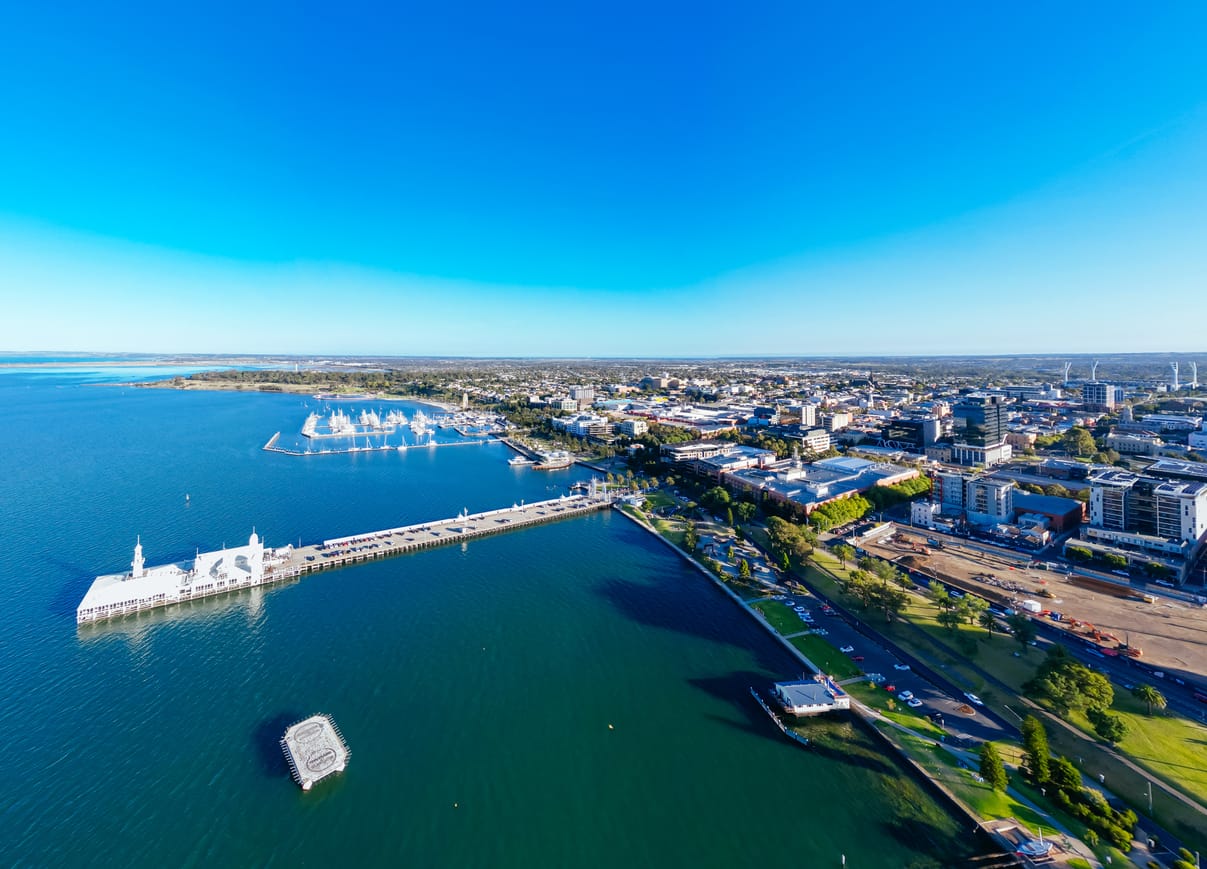
StormHarvester and Barwon Water began working together in 2025 as part of a transition from reactive to proactive wastewater network management. The project focused on using a network of sewer level sensors, and machine-learning analysis, to generate proactive blockage alerts.
Anglian Water
Anglian Water cut infiltration and ingress by 20%, saved 600 hours of pump run time, and unlocked £2.4M of targeted investment – all guided by StormHarvester’s I&I detection.