
Blockage Detection: StormHarvester & Barwon Water – Using Advanced Analytics to Reduce Sewer Blockage Risk
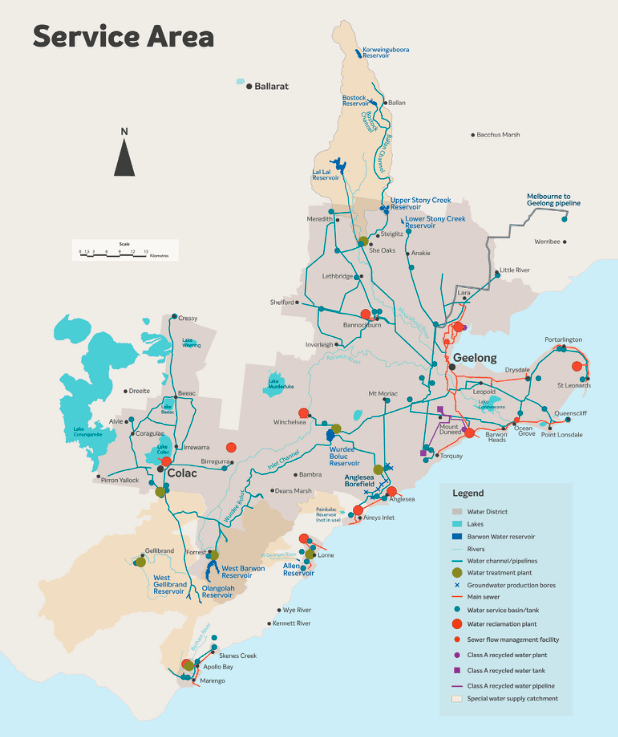
1. BARWON WATER SERVICE AREA
StormHarvester and Barwon Water began working together in 2025 as part of a transition from reactive to proactive wastewater network management. The project focused on using a network of sewer level sensors, and machine-learning analysis, to generate proactive blockage alerts.
Through accurate early detection, Barwon Water aimed to resolve issues before they resulted in environmental impact, customer complaints, or costly asset replacement, while also evidencing compliance with its General Environmental Duty (GED) obligations to the state EPA.
In addition to early blockage detection, StormHarvester also provides inflow and infiltration analysis across the monitored network to help target investigations and reduce excess flows.
2. CHALLENGE
Sewer blockages are a significant cause of pollution and overflow incidents, often only detected once damage has already occurred.
Barwon Water needed a way to:
- Detect developing blockages early, before they develop into incidents.
- Prioritise high-risk and high-consequence areas across the network, such as known pollution or flooding hotspots.
- Ensure alerts are genuine and actionable, enabling effective deployment of operational teams.
- Move away from a reactive approach and build a scalable solution for proactive risk reduction.
The broader project covered multiple locations across Barwon Water’s wastewater network. This case study focuses on Lorne. Lorne is a coastal town in Victoria, located on the Great Ocean Road, known for its beautiful beaches and is a popular holiday destination.
During holiday periods, Lorne experiences high wastewater flows and has been historically prone to sewer blockages and overflows. These conditions heighten the consequences of overflows, whilst also being challenging to manage during holiday periods.
3. SOLUTION
Since the start of the project, StormHarvester’s AI-powered machine learning alerting, combined with Barwon Water’s rapid response has enabled the team to identify and proactively address multiple early forming blockages in Lorne. By detecting abnormal behaviour before high levels or spills occurred, crews were able to intervene and avoid potential incidents and reduce operational disruption during the peak summer period.
4. EXAMPLE 1
EARLY DETECTION
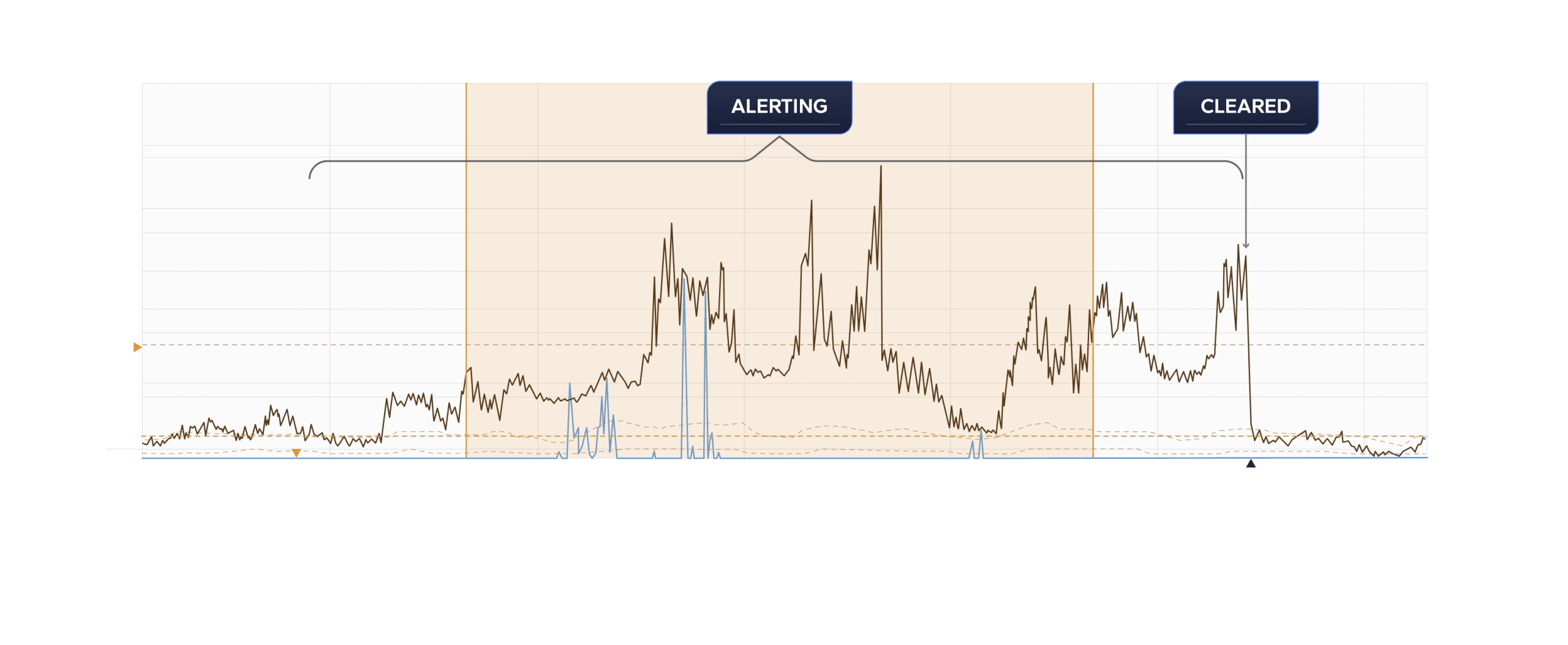
StormHarvester’s predictive models detected unexpectedly high sewer levels at the manhole, accounting for rainfall and seasonal conditions. An alert was generated for the Barwon Water smart networks team.
INVESTIGATION & RESOLUTION
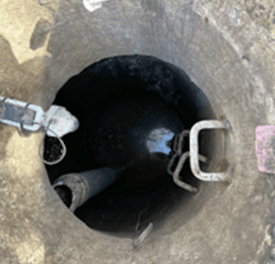
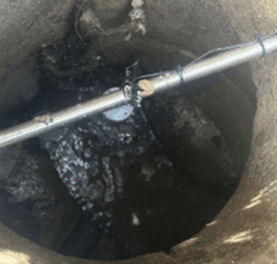
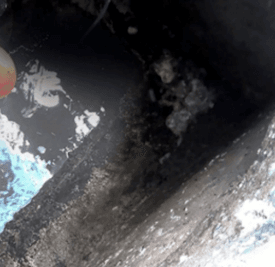
A few days later, crews were mobilised and located a developing partial blockage. Jetting teams cleared the obstruction, investigating both upstream and downstream sections. The early intervention prevented what could have become a spill during the heavy rainfall that arrived in the following days.
Before
After
5. Example 2
EARLY DETECTION
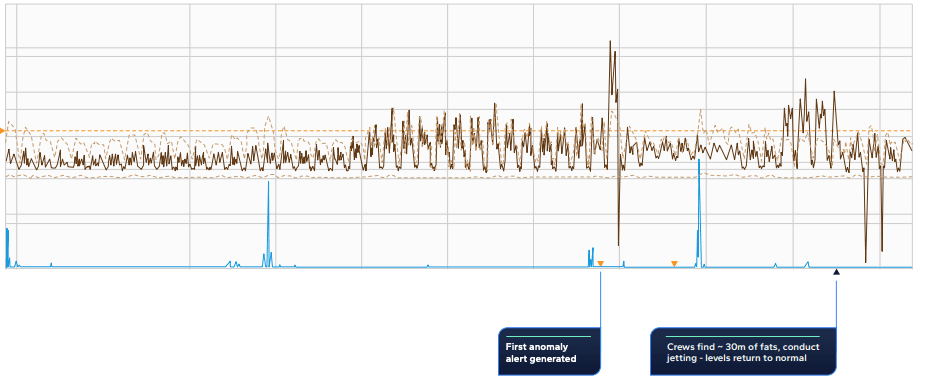
StormHarvester detected unexpectedly high levels at the manhole in Lorne, Victoria. An alert was generated for the Barwon Water smart networks team. The StormHarvester alert enabled the Barwon Water team to proactively schedule a line clean ahead of a busy holiday weekend.
INVESTIGATION & RESOLUTION
Crews were mobilised and an investigation identified a fat accumulation about the size of a soccer ball, approximately 30 metres from the maintenance hole, along with additional obstructions including tree roots and a large quantity of wet wipes.
Jetting teams cleared the obstruction, investigating both upstream and downstream sections, removal of additional obstructions including tree roots and wipes.
The early intervention prevented what could have become a major environmental and customer impacting spill.
6. Example 3
EARLY DETECTION
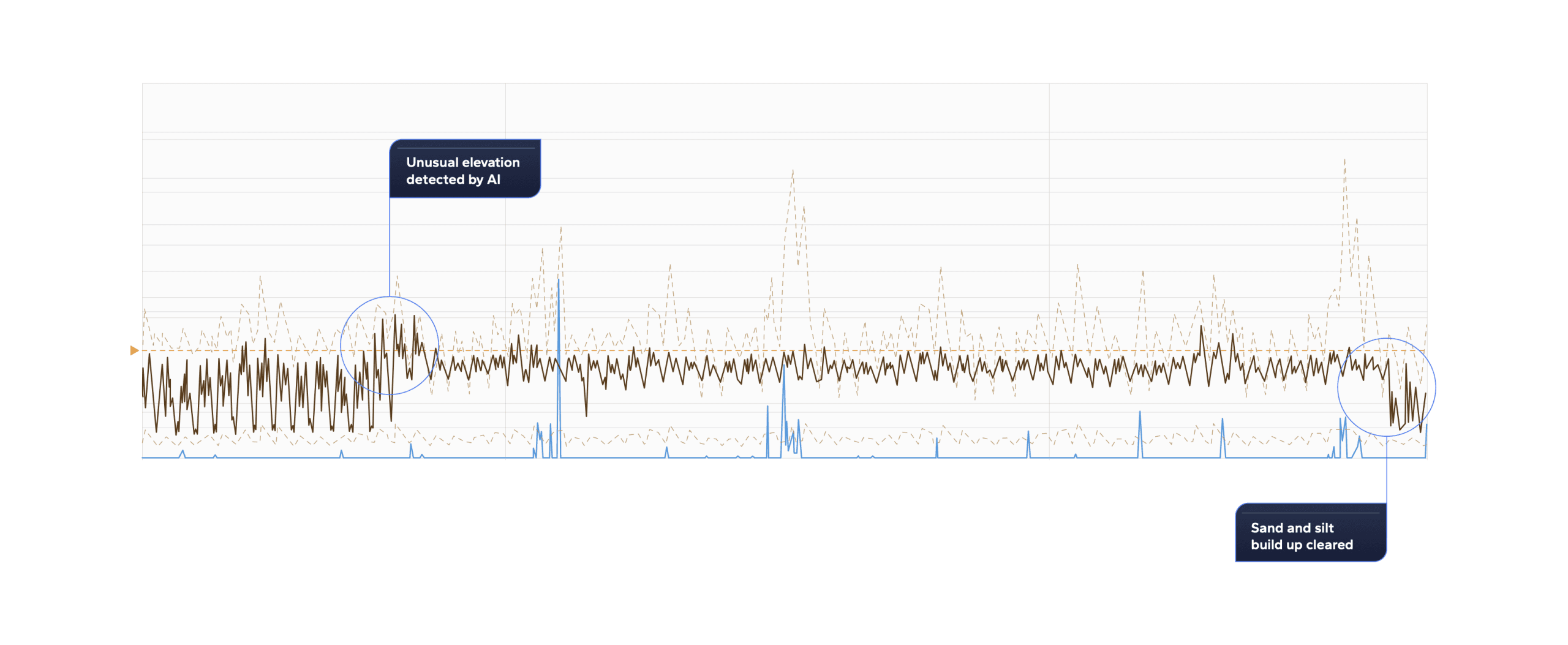
A sewer level sensor detected unexpectedly high levels, even accounting for rainfall. StormHarvester alerted Barwon Water that the asset was operating above normal capacity.
INVESTIGATION & RESOLUTION
Crews were mobilised and located a developing partial blockage. Jetting teams cleared the obstruction, investigating both upstream and downstream sections. The early intervention prevented what could have become a spill during the heavy rainfall that arrived in the following days.
Before
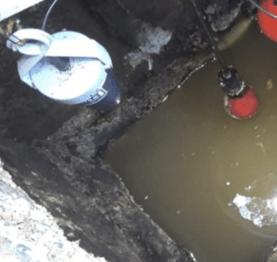
After
"Insights from wastewater analytics platforms, such as StormHarvester, have helped us detect and respond to potential sewer blockages earlier, allowing us to investigate and mitigate issues that could have otherwise impacted our customers and the environment.”
David Snadden, General Manager, Smart & Sustainable Infrastructure, Barwon Water