
Sensors don't prevent pollution. What you do with the data does.
More utilities are investing in sensors, but sensor coverage is not the same as network visibility. The UK's experience shows it is the intelligence layer that changes outcomes.

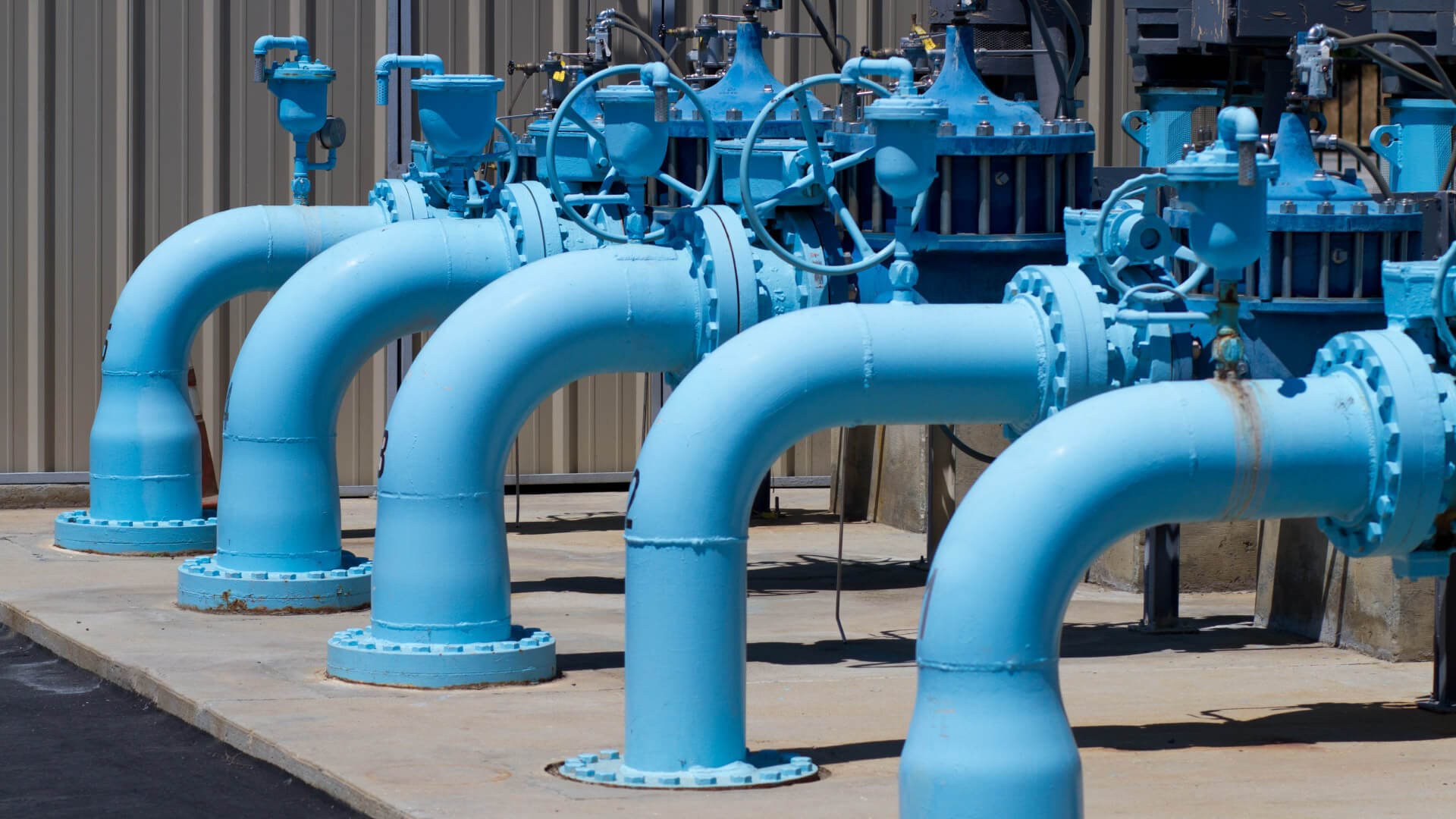
More utilities are investing in sensors: monitoring flow, pressure, sewer levels, pump behaviour. That investment is right, and it should mean more opportunity to act before something goes wrong.
But sensor coverage is not the same thing as network visibility.
Why more sensors haven't meant fewer spills
Because data that nobody interprets in real time doesn't change what teams do: noisy alarms get ignored and reporting only looks backwards.
I speak to utilities regularly who have increased their monitoring capability over the past five years. Yet many of them are still operating reactively. Spills still happen, blockages are still discovered too late, and teams are still responding after the event.
Here's what I keep seeing: if your alarms are constantly triggering, teams stop trusting them. If your data is only used for reporting, you're always looking backwards. And if your systems aren't surfacing early warnings, you're effectively choosing to operate reactively.
The gap between hardware and understanding
A network generating data that nobody is interpreting in real time will still fail. The hardware is there, but the warning is not getting through. This is the gap the industry needs to address.
From thresholds to patterns
True network visibility comes from understanding patterns, not just thresholds. It's the ability to see a blockage forming over days. To recognise pressure behaviour that precedes a rising main failure. To identify sewer levels trending in the wrong direction before they result in a pollution or flooding incident.
These signals already exist in most networks. The issue is that they're buried in noise.
This isn't a sensor problem. It's an intelligence problem. And it's one the industry can no longer afford to ignore.
What the UK has already learned
If you want to know where your network visibility journey leads, look at what UK utilities have already been through.
The UK water sector has spent the last decade under increasing regulatory and public pressure to reduce pollution and improve operational performance. That pressure has forced a shift, from monitoring networks to actually understanding them.
What's emerged is a clear lesson: sensors alone don't change outcomes. Intelligence does.
“The data to prevent the next spill probably already exists in your network.”
Brian Moloney, CEO & Founder
Southern Water: turning noise into trusted alerts
At Southern Water, pump stations were historically monitored using static alarms. During periods of heavy rainfall, those alarms triggered so frequently that many were routinely paused. The system created noise, not clarity, and critical faults were often missed until pumps had already failed.
By introducing a more intelligent alerting approach, one that prioritises meaningful signals over volume, the dynamic changed completely. Alerts became trusted, teams acted earlier, and faults were resolved during normal working hours rather than through reactive callouts. The alert hit rate reached 88%.
Alert hit rate at Southern Water after moving from static alarms to intelligent pump station alerting.
Anglian Water: catching blockages before they become pollution
At Anglian Water, the challenge was different but equally familiar. Blockages were being identified too late, often after a pollution event had already occurred.
Through a combination of machine learning and large-scale sensor data, their Dynamic Sewer Visualisation programme has now delivered over 12,000 proactive blockage interventions, with an 80% accuracy rate on alerts. Many of these interventions have taken place in high-risk locations, where the consequences of failure are highest.
Proactive blockage clearance increased by 418%.
Proactive blockage interventions
Accuracy rate on alerts
Increase in proactive blockage clearance
The same journey, wherever you're starting from
Today, many utilities, particularly in the US and Australia, want to move to a more proactive approach but are still working out the first steps. Sensor infrastructure is expanding and data volumes are increasing, but without the intelligence layer, the operational impact remains limited. The UK is simply further along.
The path is already mapped. The utilities that move fastest on the intelligence layer will be the ones defining best practice in their markets within five years.
The data to prevent the next spill probably already exists in your network. The question is whether you're set up right to hear it.

Case study · UK utility
93% less reactive noise at South West Water
363 issues identified early and 395 proactive investigations completed.
Read the case study
Case study · ANZ utility
Proactive blockage alerts at Barwon Water
Sewer level sensors and machine-learning analysis supporting the move from reactive to proactive network management.
Read the case study
Insight
You don't just need more sensors. You need better visibility.
How utilities can use the SCADA and pump data they already have to prevent problems and target investment.
Read the article
Hear the warning before the spill
See how StormHarvester turns the sensor data you already have into early warnings.