
Blog 3
You don't just need more sensors.
You need better visibility.

Connor McBratney
Head of Customer Success (North & West, UK and Ireland)
You don't just need more sensors. You need better visibility.
When utilities talk about improving network visibility, the conversation usually starts with infrastructure. More sensors, more coverage, more data. But in most cases, that's not where the real opportunity lies.
Most utilities we work with are already sitting on large volumes of operational data. SCADA systems, pump telemetry, sewer level monitors - the information is there. What's missing is the ability to use it to get ahead of problems before they happen, and critically, to use it to drive smarter, data-driven capital investment decisions.
One of the biggest barriers we come across is the assumption that you need complete sensor coverage before you can build network intelligence. You don't. You can start from where you are today.
It's about extracting value from the data you already have and spotting patterns, cutting through the noise, and giving teams something they can actually act on rather than reports that tell them what already went wrong. Reacting after the fact is always more expensive, more disruptive, and more damaging than catching something early. It also leads to inefficient capital allocation – with a blanket approach around asset improvements or replacements rather than surgical, high impact upgrades.
The utilities we work with know this. The challenge is building the capability to do it consistently.
Regulations are tightening up, public tolerance for pollution is falling, and operational performance is getting more scrutiny than ever. At the same time, capital budgets are under immense pressure. Waiting for the perfect network isn't a strategy. Building intelligence from what you already have is.
The utilities that will be in the best position over the next five to ten years will be the ones that truly understand what their network is telling them. They will use these insights not just for daily operations, but as the financial foundation for their long-term asset planning. That doesn't mean a complete overhaul. It means a different way of thinking.
Start with the data you have and build from there.
Because the destination is the same for everyone: a network that tells you what's happening before it becomes a problem, and a business that invests capital with absolute certainty. And the sooner you start, the easier the journey becomes.
Connor McBratney
Head of Customer Success (North & West, UK and Ireland)
See how AI can help optimise your network to prevent blockages, flooding, and pollution.
Case studies

South West Water
South West Water used StormHarvester to shift from reactive to proactive management, reducing reactive noise by 93%, with 363 issues identified early and 395 proactive investigations completed.
Barwon Water
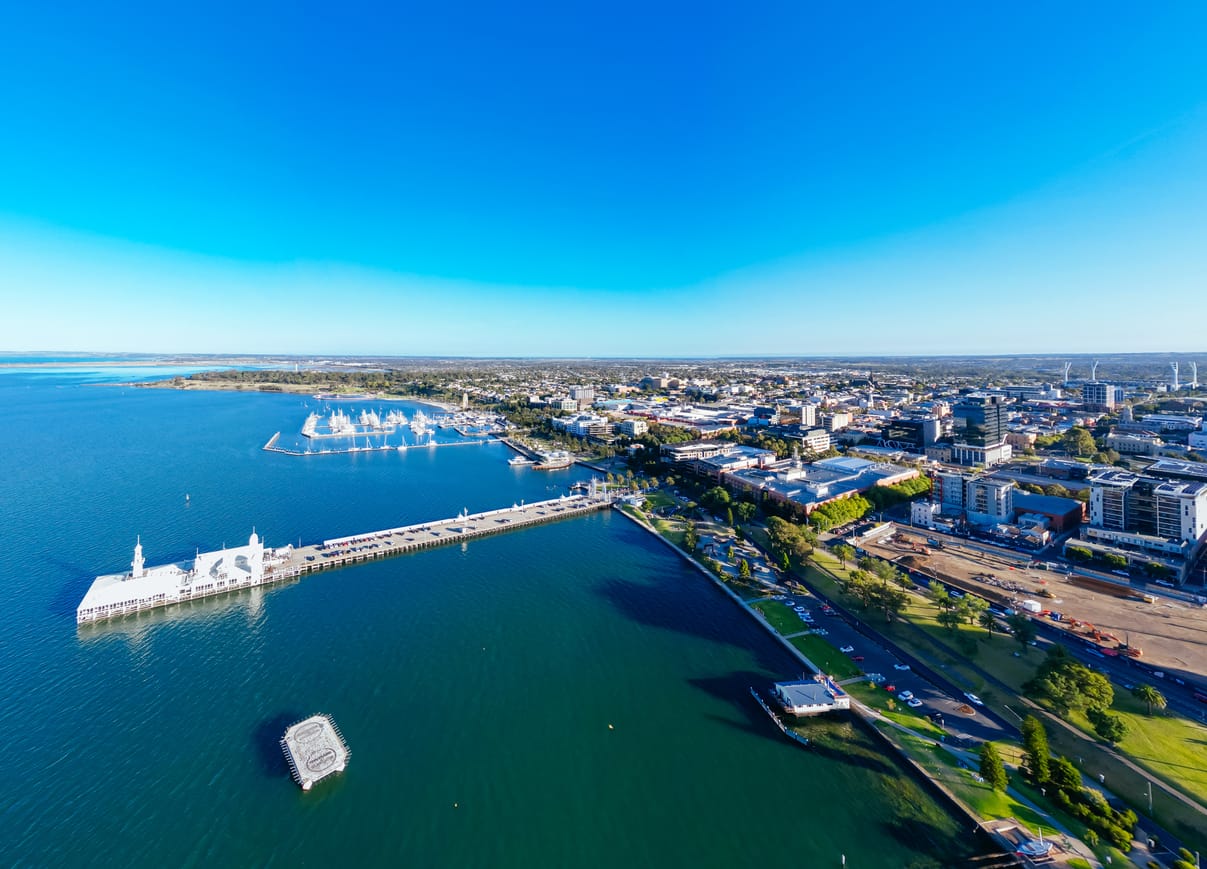
StormHarvester and Barwon Water began working together in 2025 as part of a transition from reactive to proactive wastewater network management. The project focused on using a network of sewer level sensors, and machine-learning analysis, to generate proactive blockage alerts.
Anglian Water
Anglian Water cut infiltration and ingress by 20%, saved 600 hours of pump run time, and unlocked £2.4M of targeted investment – all guided by StormHarvester’s I&I detection.