
Blog 1
Sensors don't prevent pollution. What you do
with the data does.

Brian Moloney
CEO & Founder
More utilities are investing in sensors. Monitoring flow, pressure, sewer levels, pump behaviour. That investment is right. More data means more insight, and more insight means more opportunity to act before something goes wrong.
But sensor coverage is not the same thing as network visibility.
I speak to utilities regularly who have increased their monitoring capability over the past five years. Yet many of them are still operating reactively. Spills still happen, blockages are still discovered too late, and teams are still responding after the event.
Here's what I keep seeing: if your alarms are constantly triggering, teams stop trusting them. If your data is only used for reporting, you're always looking backwards. And if your systems aren't surfacing early warnings, you're effectively choosing to operate reactively.
A network generating data that nobody is interpreting in real time will still fail. The hardware is there, but the warning is not getting through. This is the gap the industry needs to address.
True network visibility comes from understanding patterns, not just thresholds. It's the ability to see a blockage forming over days. To recognise pressure behaviour that precedes a rising main failure. To identify sewer levels trending in the wrong direction before they result in a pollution or flooding incident.
These signals already exist in most networks. The issue is that they're buried in noise.
This isn't a sensor problem. It's an intelligence problem. And it's one the industry can no longer afford to ignore.
The data to prevent the next spill probably already exists in your network. The question is whether you’re set up right to hear it.
Brian Moloney
CEO & Founder
See how AI can help optimise your network to prevent blockages, flooding, and pollution.
Case studies

South West Water
South West Water used StormHarvester to shift from reactive to proactive management, reducing reactive noise by 93%, with 363 issues identified early and 395 proactive investigations completed.
Barwon Water
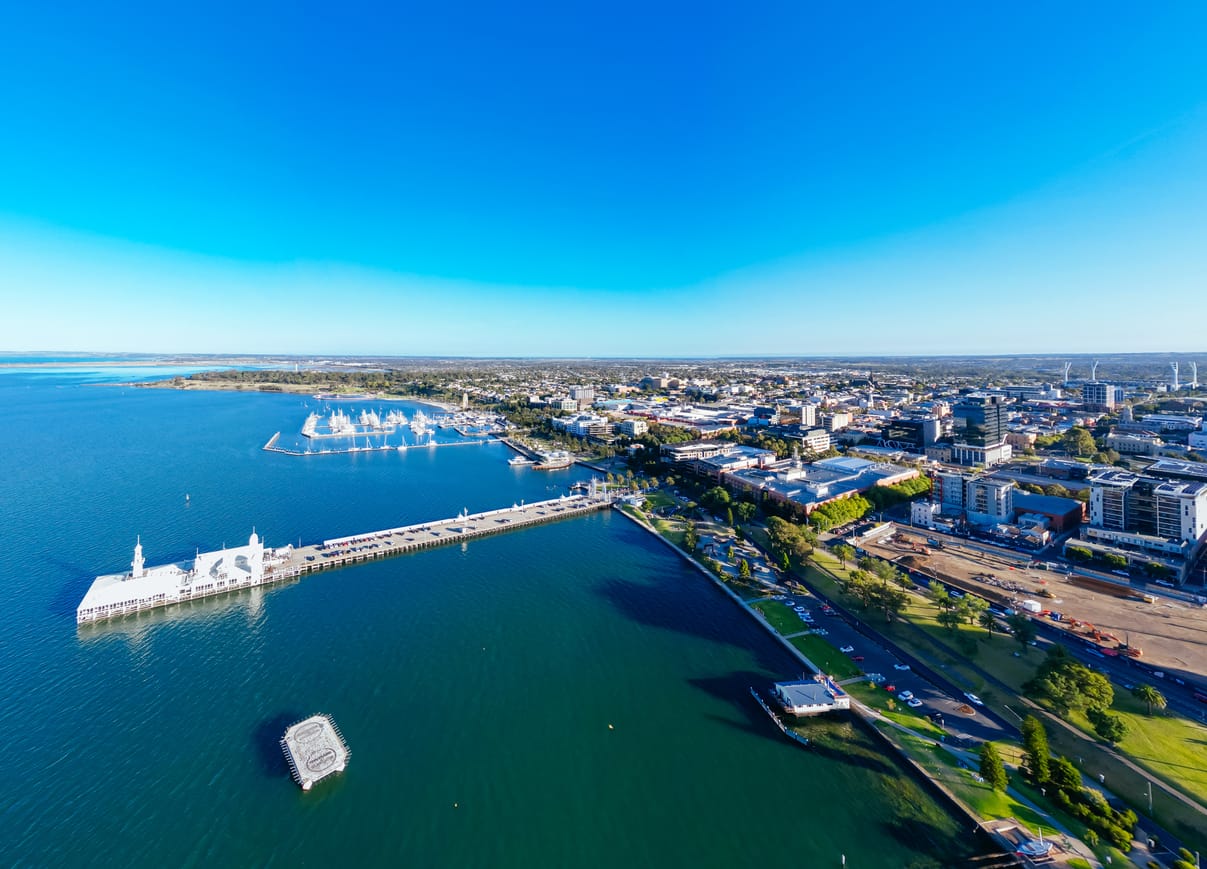
StormHarvester and Barwon Water began working together in 2025 as part of a transition from reactive to proactive wastewater network management. The project focused on using a network of sewer level sensors, and machine-learning analysis, to generate proactive blockage alerts.

Anglian Water
Anglian Water cut infiltration and ingress by 20%, saved 600 hours of pump run time, and unlocked £2.4M of targeted investment – all guided by StormHarvester’s I&I detection.