Blockage Detection
Detect early. Act fast.
Find developing sewer blockages in the level monitor data you already collect, before they cause a spill, flooding or a pollution incident.
Blockages disrupt
networks, we
keep them running.
StormHarvester Blockage Detection is machine learning software that analyses live data from sewer level monitors, alongside hyperlocal rainfall, to identify blockages as they develop in wastewater networks.
It learns how each site normally behaves in dry and wet weather, then flags abnormal patterns such as unexplained level rises, dips, flatlining or erratic readings. Operations teams receive a prioritised alert with the location and the evidence, so crews can clear the blockage before it causes a storm overflow spill (CSO or SSO), internal flooding or a pollution incident.
Blockage Detection for accurate response
Identify early warning signs of disruption, receive precise alerts, and prevent environmental harm by stopping spills and flooding before they happen.
Protect Service
Spot issues before they escalate.
Prevent disruption and avoid fines.
Target Callouts
Know exactly where to send crews. Precise alerts eliminate guesswork and cut response times.
Prevent Pollution
Act before overflow occurs. Minimise environmental impact with intelligent detection.
Proven performance at scale
StormHarvester is already helping utilities detect and respond to thousands of potential blockage events around the world, before they cause harm.
Blockages detected annually
Blockages found proactively per week at one UK water utility
Network Sensors
analysed
Blockage detection results from water utilities
Measured outcomes from utilities using StormHarvester on their own networks.
Wessex Water, UK
97% reduction in event duration monitoring (EDM) alarms. The initial trial in Bath detected over 60 early blockage formations in real time, at least two of which would have caused serious pollution incidents.
South West Water, UK
93% reduction in reactive alert noise. 363 issues were identified early, and the utility moved from trial to full rollout across around 1,400 combined sewer overflows after three months.
Yorkshire Water, UK
691 blockages cleared from the sewer network using alerts from more than 17,000 sewer level monitors, each one a likely pollution incident avoided.
Severn Trent, UK
Trialled across 393 sites in South Derbyshire, then rolled out across the entire network in under a year.
How the system detects blockages
StormHarvester compares live sewer level data with hyperlocal rainfall to identify abnormal patterns. The AI then correlates these with rainfall events to confirm or rule out weather-related causes, giving a clear visual link between network behaviour and potential blockages.
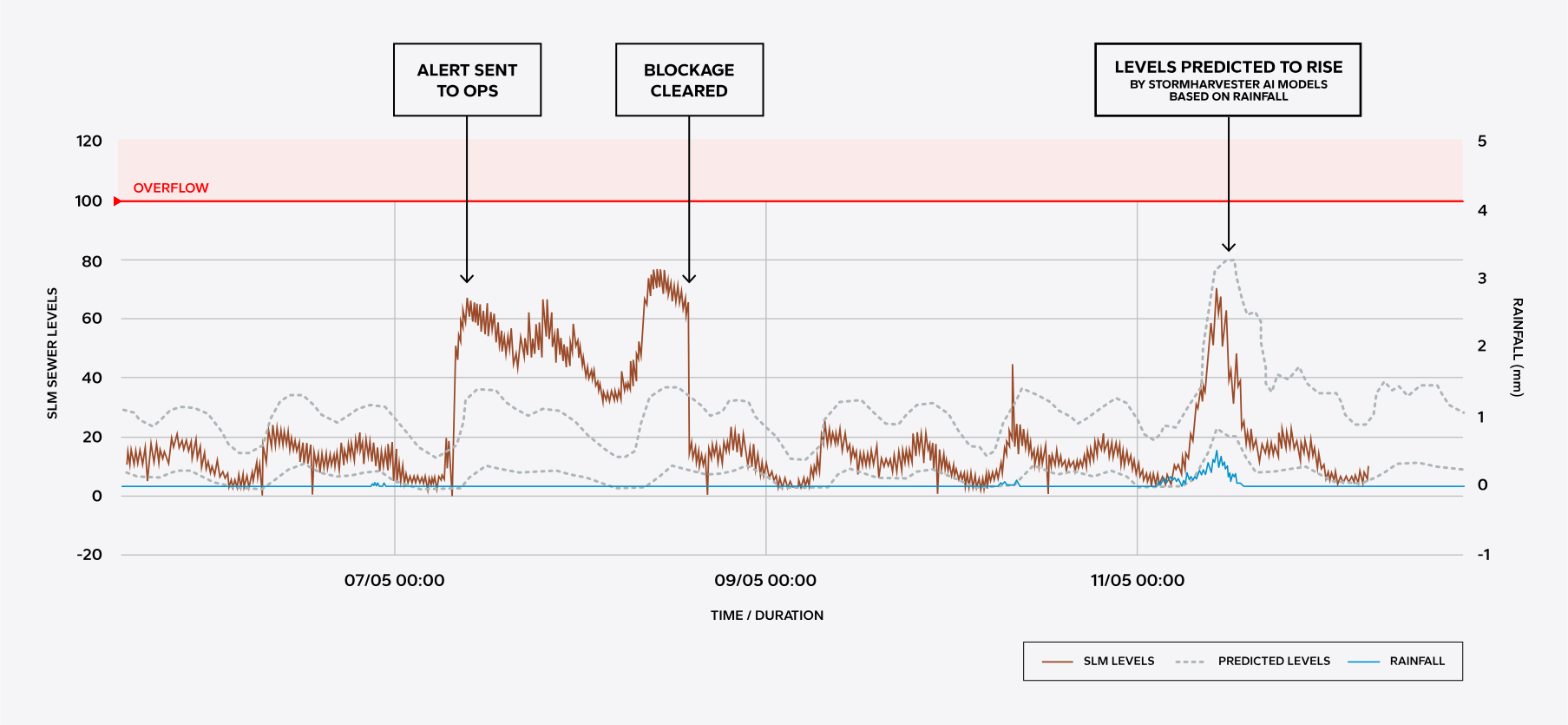
How AI blockage detection works, step by step
1. Connect existing sensors
StormHarvester is sensor-agnostic. It ingests live readings from the level monitors you already have in manholes, at overflows and in pumping station (lift station) wet wells, via your telemetry or SCADA data.
2. Learn normal behaviour
Machine learning builds a dynamic threshold for every site, covering how it behaves in dry weather and how it responds to rainfall, rather than relying on a fixed alarm level.
3. Rule out rainfall
Each anomaly is checked against hyperlocal rainfall. A level rise during a storm is expected; the same rise in dry weather points to a developing blockage.
4. Alert and act
Operations teams get a prioritised alert with the site, the trend and the likely cause. Crews typically find rag and wet wipes, fats, oils and grease (FOG), silt, roots or debris, and levels return to normal once cleared.
Sensor Health
From Insight To Action
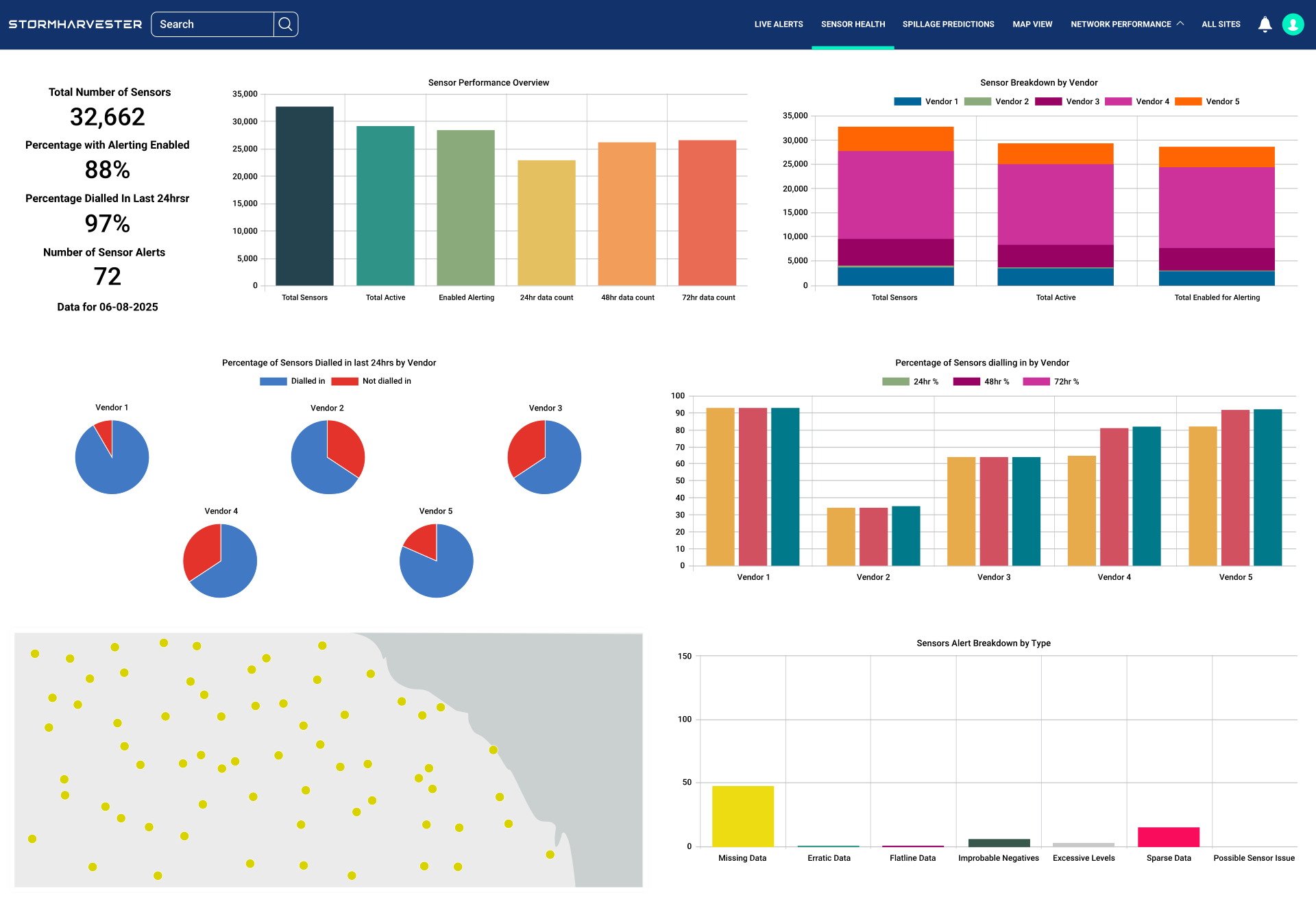
Every network sensor streams live data to StormHarvester, where AI continuously monitors for anomalies that signal early signs of failure or blockages. Insights trigger targeted alerts and are visualised in the StormHarvester dashboard.
Discover How We Keep Networks Clear
From improving callout accuracy to minimising environmental impact, Blockage Detection helps transition from reactive to proactive and make smarter operational decisions.
Detect risks and
pinpoint locations,
with real-time AI insight.
View a real-time network map with alert locations
Monitor live level readings from each sensor
Access historical trends and sensor logs
Export data for reporting, audits, or further analysis
Layer on additional data for situational awareness i.e. bathing water sites & SSSIs
Inputs
Monitored
Stormharvester
AI Engine
Real-time
Alerts
StormHarvester Products
case studies
Our solutions drive transformative results for wastewater utilities, municipalities and environmental agencies, helping organisations meet regulatory, environmental, operational goals while protecting the environment.
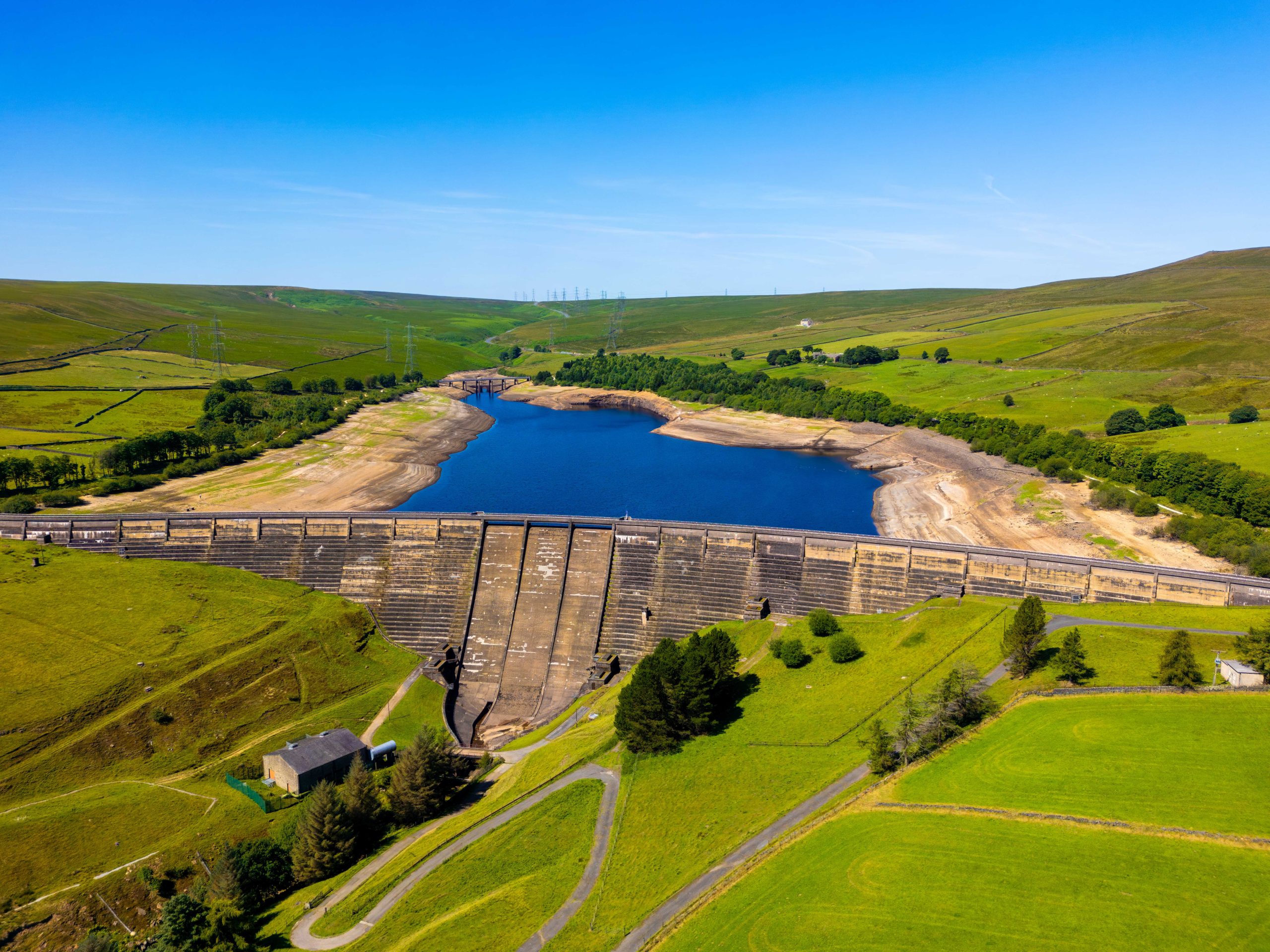
Yorkshire Water
In 2024, Yorkshire Water recognised that reactive alarm and incident management was no longer sustainable. Alarm noise was consuming operational capacity and crowding out proactive work. By embedding StormHarvester, the utility set out to build a proactive, insight-led way of working that could keep pace with future requirements without adding complexity.

South West Water
South West Water used StormHarvester to shift from reactive to proactive management, reducing reactive noise by 93%, with 363 issues identified early and 395 proactive investigations completed.

Barwon Water
StormHarvester and Barwon Water began working together in 2025 as part of a transition from reactive to proactive wastewater network management. The project focused on using a network of sewer level sensors, and machine-learning analysis, to generate proactive blockage alerts.
Our wastewater solutions
Stay ahead of challenges with real-time intelligence that helps you maximise network efficiency, reduce costs, and prevent pollution.

Inflow & Infiltration
Detection

Pump Station
Alerting

Rising Main
Alerting

Spill
Analysis

Network
Control
Built for performance. Trusted worldwide.
From the UK to New Zealand, water utilities rely on StormHarvester for fewer incidents, faster response, and easier reporting, all powered by AI-driven insight and real-time data.
Trusted by